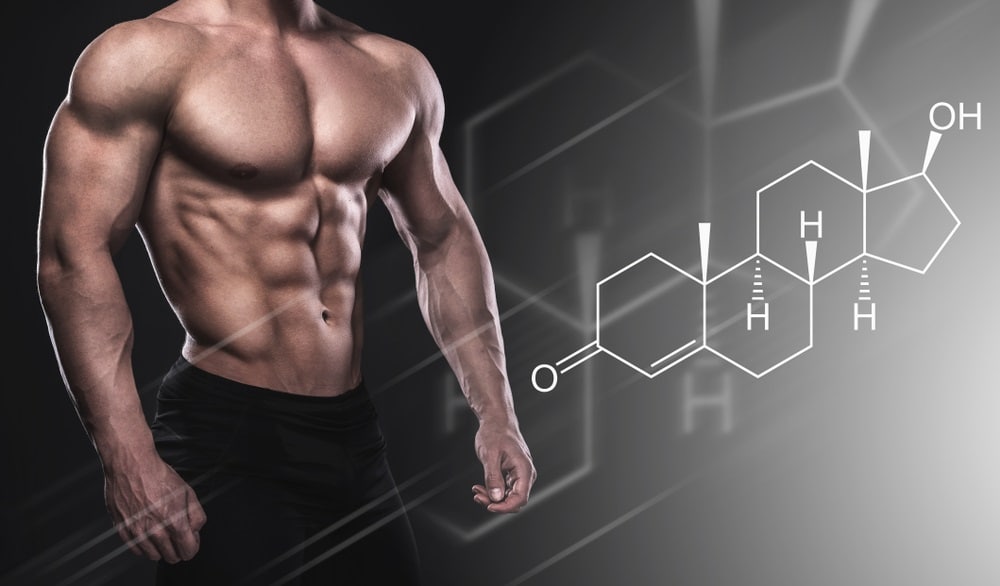
Building muscle isn’t just about lifting heavier weights. What you eat matters too. Your muscles need enough calories, protein, carbohydrates, healthy fats, and recovery time to grow.
The best muscle-building meals are simple: a strong protein source, a quality carbohydrate, healthy fats, and colorful fruits or vegetables. You don’t need a complicated diet. You need meals you can repeat consistently.
What Makes a Meal Good for Muscle Growth?
A muscle-building meal should include three main things.
Protein helps repair and build muscle after training. The International Society of Sports Nutrition recommends about 1.4 to 2.0 grams of protein per kilogram of body weight per day for most exercising individuals who want to build or maintain muscle.
Carbohydrates fuel your workouts and help refill muscle glycogen after exercise. Good options include rice, oats, potatoes, whole-grain bread, pasta, fruit, beans, and quinoa. Cleveland Clinic notes that carbohydrates are one of the body’s main energy sources.
Healthy fats support hormones, energy, and overall health. Think avocado, olive oil, nuts, seeds, salmon, eggs, and nut butters.
Best High-Protein Meals for Muscle Mass
1. Chicken, Rice, and Vegetables
This is a classic muscle-building meal for a reason. It’s simple, affordable, and easy to meal prep.
What to include:
- Grilled chicken breast
- Brown rice or white rice
- Broccoli, spinach, peppers, or green beans
- Olive oil or avocado for healthy fat
Chicken breast is a lean, high-protein option, with about 27 grams of protein in a 3-ounce serving.
2. Salmon, Sweet Potato, and Greens
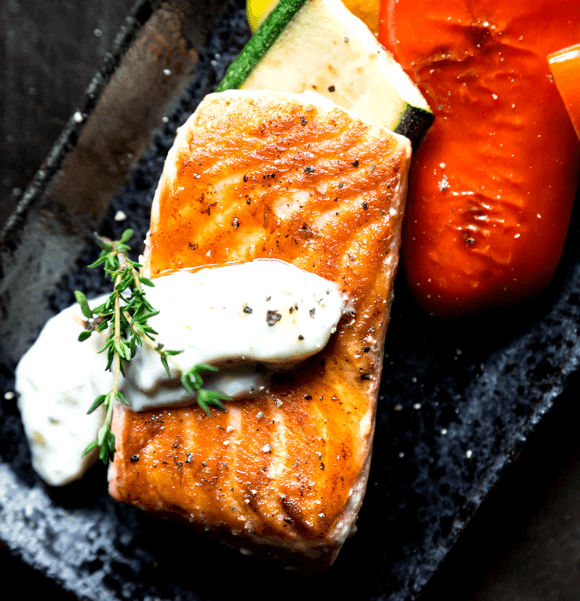
Salmon gives you protein plus healthy fats, including omega-3s. Pair it with a sweet potato for workout fuel and a serving of greens for fiber and micronutrients.
What to include:
- Baked or grilled salmon
- Sweet potato
- Spinach, kale, asparagus, or salad
- Olive oil or Greek yogurt-based sauce
This is a great dinner option after strength training.
3. Eggs, Oats, and Fruit
This meal works well for breakfast or a post-workout meal.
What to include:
- Whole eggs or eggs with extra egg whites
- Oatmeal
- Banana, berries, or apple
- Peanut butter or chia seeds
Oats provide carbohydrates for energy, while eggs add protein and healthy fats. Add Greek yogurt on the side if you need more protein.
4. Lean Beef, Potatoes, and Vegetables
Lean beef is rich in protein and also provides iron, zinc, and B vitamins. Potatoes add carbohydrates that help fuel hard training sessions.
What to include:
- Lean ground beef, steak, or sirloin
- Roasted potatoes or mashed potatoes
- Mixed vegetables
- Avocado or olive oil
This meal is especially helpful for people who struggle to eat enough calories.
5. Greek Yogurt Power Bowl
Greek yogurt is quick, high in protein, and easy to customize.
What to include:
- Plain Greek yogurt
- Granola or oats
- Berries or banana
- Honey
- Nuts, seeds, or nut butter
Use this as breakfast, a snack, or a light post-workout meal.
6. Turkey or Chicken Wrap
A wrap is perfect when you need something fast but still balanced.
What to include:
- Turkey or chicken
- Whole-grain wrap
- Lettuce, tomato, onion, or spinach
- Cheese, hummus, avocado, or Greek yogurt sauce
- Fruit or a side of potatoes
It’s portable, easy to prep, and much better than skipping a meal.
7. Tofu or Tempeh Stir-Fry
Plant-based meals can absolutely support muscle growth when they include enough protein and calories.
What to include:
- Tofu, tempeh, or edamame
- Rice or noodles
- Mixed vegetables
- Sesame oil, olive oil, or peanut sauce
Cleveland Clinic lists tofu, tempeh, lentils, chickpeas, edamame, and split peas as high-protein foods, making them useful choices for plant-based muscle-building meals.
8. Tuna or Chicken Pasta
Pasta can be a great muscle-building food when paired with enough protein.
What to include:
- Tuna, chicken, turkey, or shrimp
- Pasta
- Tomato sauce or olive oil-based sauce
- Spinach, mushrooms, peppers, or zucchini
- Parmesan or cottage cheese for extra protein
This is a strong option before or after a tough workout because it provides both protein and carbohydrates.
9. Cottage Cheese, Fruit, and Toast
Cottage cheese is rich in protein and easy to pair with sweet or savory foods.
What to include:
- Cottage cheese
- Whole-grain toast
- Berries, pineapple, or banana
- Nuts or seeds
This works well as a nighttime snack because it’s filling and simple.
10. Protein Smoothie With Real Food
A smoothie can help when you’re too busy to cook or don’t feel hungry after training.
What to include:
- Milk or soy milk
- Protein powder or Greek yogurt
- Banana or berries
- Oats
- Peanut butter
- Spinach, optional
Smoothies are especially helpful for people who need more calories but feel full quickly.
Easy Muscle-Building Meal Plan
Here’s a simple day of eating for muscle gain:
Breakfast: Eggs, oatmeal, berries, and peanut butter
Snack: Greek yogurt with granola and banana
Lunch: Chicken, rice, vegetables, and avocado
Snack: Protein smoothie with milk, oats, banana, and peanut butter
Dinner: Salmon, sweet potato, and spinach
Evening snack: Cottage cheese with fruit
Adjust the portion sizes based on your body, training schedule, hunger, and goals.
Best Foods to Keep on Hand
Stock your kitchen with easy muscle-building staples:
- Chicken breast
- Turkey
- Eggs
- Salmon
- Lean beef
- Greek yogurt
- Cottage cheese
- Milk or soy milk
- Tofu or tempeh
- Lentils, beans, and chickpeas
- Rice
- Oats
- Potatoes and sweet potatoes
- Pasta
- Whole-grain bread or wraps
- Olive oil
- Avocado
- Nuts and nut butter
- Fruits and vegetables
A Simple Plate Formula
For most muscle-building meals, use this formula:
Protein: chicken, fish, eggs, beef, tofu, Greek yogurt, beans, or cottage cheese
Carbohydrate: rice, oats, potatoes, pasta, fruit, bread, or quinoa
Fat: avocado, olive oil, nuts, seeds, eggs, or salmon
Fiber and nutrients: vegetables, fruit, beans, or leafy greens
That’s it. No need to make every meal perfect.
Final Thoughts
The best meals for increasing muscle mass are balanced, filling, and easy to repeat. Focus on protein at each meal, enough carbohydrates to fuel your workouts, healthy fats for overall health, and enough total calories to support growth.
Training builds the signal. Food provides the materials. Recovery gives your body time to grow.